Why A Growth Mindset Matters More Than You Think
Ever wonder why some kids bounce back from failure while others shut down? The secret lies in their mindset. A growth mindset, the belief that abilities and intelligence can develop with effort, is a game-changer. It fuels resilience, confidence, and perseverance—key skills in Social Emotional Learning (SEL).
What is SEL (Social Emotional Learning)?
SEL is the foundation for emotional intelligence, self-awareness, character education and strong relationships. It helps children and teens recognize and manage their emotions, set positive goals, show empathy and kindness, maintain healthy relationships, and make responsible decisions.
When paired with a growth mindset, SEL becomes even more powerful. Kids who believe they can improve are more likely to engage, solve problems, and succeed in school and life. They become more willing to take risks, ask questions, and push through setbacks.
But how do we teach this? That’s where Social Emotional Learning activities, Social Emotional lesson plans, and SEL curriculum come in. These tools help educators, parents, and mentors nurture a mindset that fosters empathy, emotional intelligence, and success. Let’s dive into how this works and why it matters.

The Synergy Between Growth Mindset and SEL
Integrating a growth mindset into SEL curriculum enhances its effectiveness. It encourages students to see challenges as opportunities for growth rather than obstacles. This perspective aligns with SEL’s goals, fostering resilience, adaptability, and a proactive approach to learning and self-improvement.
Dr. Carol Dweck, a leading researcher on motivation, introduced the concept of a fixed mindset—the belief that intelligence and talent are unchangeable. In contrast, students who recognize that effort and learning drive improvement develop perseverance, curiosity, and resilience. These skills extend beyond the classroom into their personal lives.
Real-Life Implications for Youth
Consider the case of Maya, a seventh-grader who struggled with math. Initially, she believed her difficulties stemmed from a lack of innate ability—a hallmark of a fixed mindset. Whenever she received a low grade, she internalized it as a sign that she simply wasn't "good at math."
However, through Social Emotional Learning activities that incorporated growth mindset principles, Maya learned to embrace challenges and persist through setbacks. She started reframing her struggles, thinking, "I can't solve this problem yet, but I will if I keep practicing." Over time, her math skills improved, but more importantly, she developed resilience and confidence that permeated other areas of her life. This shift is a testament to the profound impact a growth mindset can have when paired with SEL.
Implementing Growth Mindset in SEL Programs
To effectively weave a growth mindset into SEL programs, educators can adopt several strategies:
1. Curriculum Design
Developing Social Emotional Learning lesson plans that emphasize effort, strategy, and progress over innate ability is critical. For example, in classrooms, teachers can introduce assignments that require reflection on personal progress rather than just focusing on outcomes. Activities such as "My Learning Journal," where students document how they approached a challenge and what they learned from it, reinforce the value of effort.
2. Modeling Behavior
Educators and parents should exemplify a growth mindset by sharing their own learning journeys, including failures and the lessons derived from them. When adults admit that they, too, face challenges and setbacks but persist in improving, it normalizes struggle as part of growth.
3. Encouraging Reflective Practices
Encouraging students to reflect on their learning processes, identify areas of improvement, and set actionable goals fosters self-awareness and self-management, key components of SEL. Reflection exercises, such as writing letters to their future selves or setting "stretch goals," instill a mindset of continual learning and improvement.
4. Providing Constructive Feedback
Instead of praising intelligence, educators should focus on effort and progress. Statements like, "I can see how much effort you put into this project, and it's paying off!" reinforce the idea that hard work leads to improvement.
5. Incorporating Social-Emotional Learning Activities
Interactive learning experiences, such as role-playing scenarios where students practice empathy/kindness, help solidify the connection between effort and personal growth.
6. Teaching Coping Skills for Failure
Failure is an inevitable part of life, but how students handle it makes all the difference. SEL-integrated programs should incorporate coping skills training, helping students recognize setbacks as learning opportunities rather than personal shortcomings.
Beyond the Classroom: Growth Mindset in Different Environments
A growth mindset extends beyond academics, shaping social interactions, sports, and personal achievements. When SEL principles are applied in extracurricular activities, students become more resilient to failure and more supportive of their peers. Coaches, mentors, and community leaders can reinforce these ideas in youth programs, fostering a culture of perseverance and collaboration.
In addition, digital tools and apps are now being developed to provide students with SEL activities that reinforce social skills and emotional resilience outside of school. Parents can also play a role by incorporating growth mindset language at home, encouraging children to embrace challenges with a "not yet" attitude.
The Role of Schools and Policy Makers
For SEL and growth mindset principles to be most effective, schools and policymakers need to take an active role in fostering these educational frameworks. This includes investing in teacher training, incorporating SEL into standardized curricula, and prioritizing social-emotional development alongside academic achievement. Education policies that promote resilience and adaptability will better prepare students for the complexities of adulthood.
Workplace Applications and Lifelong Growth
Beyond school, developing a growth mindset has a powerful impact in the workplace. Employees who embrace challenges, seek learning opportunities, and adapt to change contribute to innovation and success. Companies that prioritize professional development foster resilient teams that thrive in dynamic environments.
Extending the Benefits to Adults
Adults can also benefit from embracing a growth mindset within the context of SEL. Those who adopt this perspective are more likely to pursue continuous improvement, adapt to change, and demonstrate resilience in challenging situations. Moreover, by fostering this outlook, they can better support the youth in their lives, creating a reinforcing cycle of positive development.
In parenting, for example, when children see their caregivers persist through challenges rather than give up, they internalize the message that growth is possible at any age. Workplace environments that promote social skills and emotional intelligence also see higher levels of job satisfaction, productivity, and collaboration.
Thriving in an Ever-Changing World: The Power of SEL and a Growth Mindset
Integrating a growth mindset into Social-Emotional Learning enriches the educational experience, fostering resilience, empathy and kindness, and lifelong learning in children, teens, and adults alike. By embracing challenges as opportunities and viewing effort as a path to mastery, individuals can unlock their full potential, leading to more fulfilling and successful lives.
The future of education is not just about academic success—it's about nurturing adaptable, emotionally intelligent individuals who can thrive in a constantly changing world. And at the heart of this transformation is the powerful intersection of SEL and a growth mindset.
Ready To Add Growth Mindset Skills To Your Curriculum?

More Recommended Resources...


Here's How to Reinforce a Growth Mindset, Encourage Positive Self-Talk, and Unleash the Potential in Every Student.
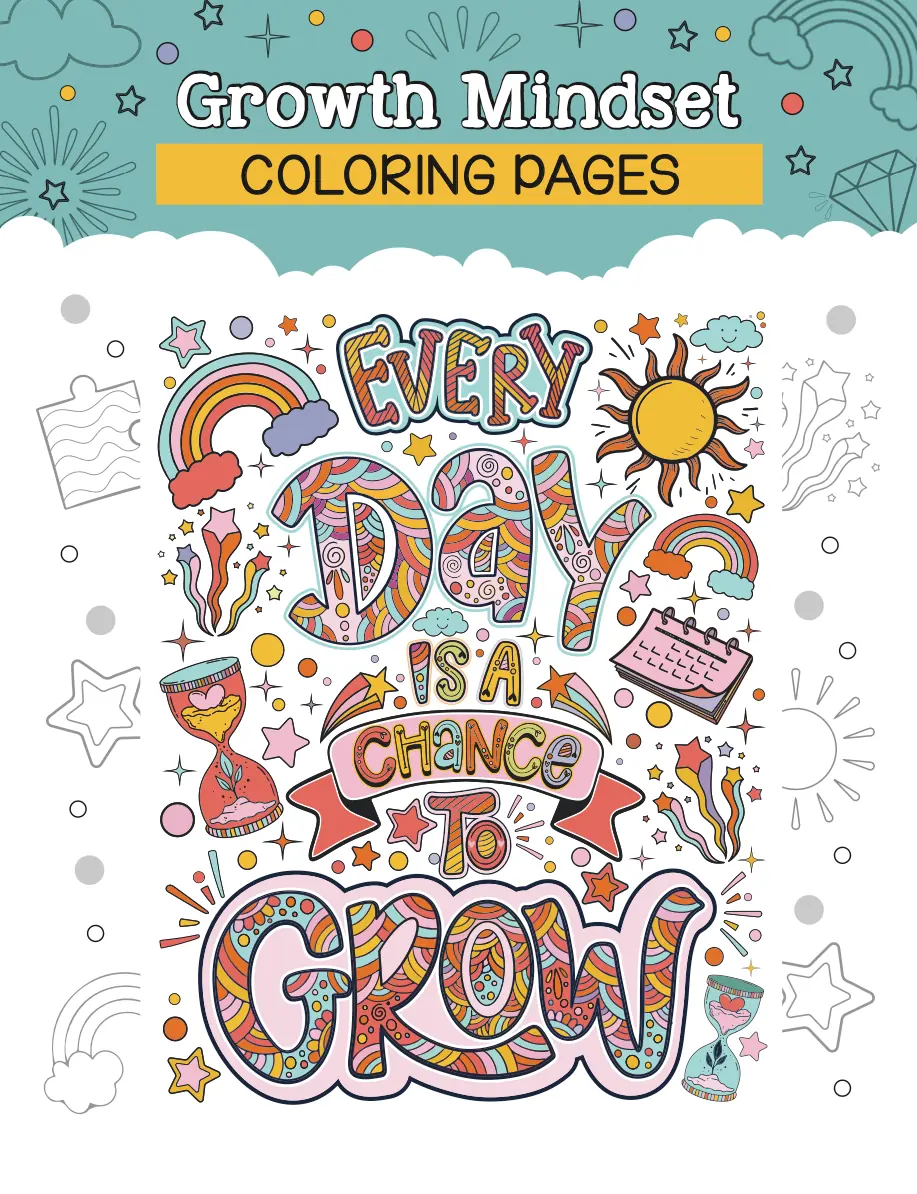
12 printable coloring pages for confidence, resilience and self-discovery
INFO
CUSTOMERS
SEL ESSENTIALS
FREE SEL HABITS TRACKER
FOLLOW US




© Copyright SEL Power Pack. All Rights Reserved